
Rate of Perceived Exertion (RPE) Scale: The Complete Practical Guide for Smarter Training
The Rate of Perceived Exertion (RPE) Scale is one of the most practical tools ever created for exercise control. It helps you judge how hard your body is working in real time. Instead of staring at numbers on a screen, you learn to listen to breathing, muscle strain, focus, and fatigue. This guide explains the Rate of Perceived Exertion (RPE) Scale in easy English, with real-world context for a USA audience, and shows how to use it correctly across training styles, health goals, and fitness levels.
What the Rate of Perceived Exertion (RPE) Scale Really Measures
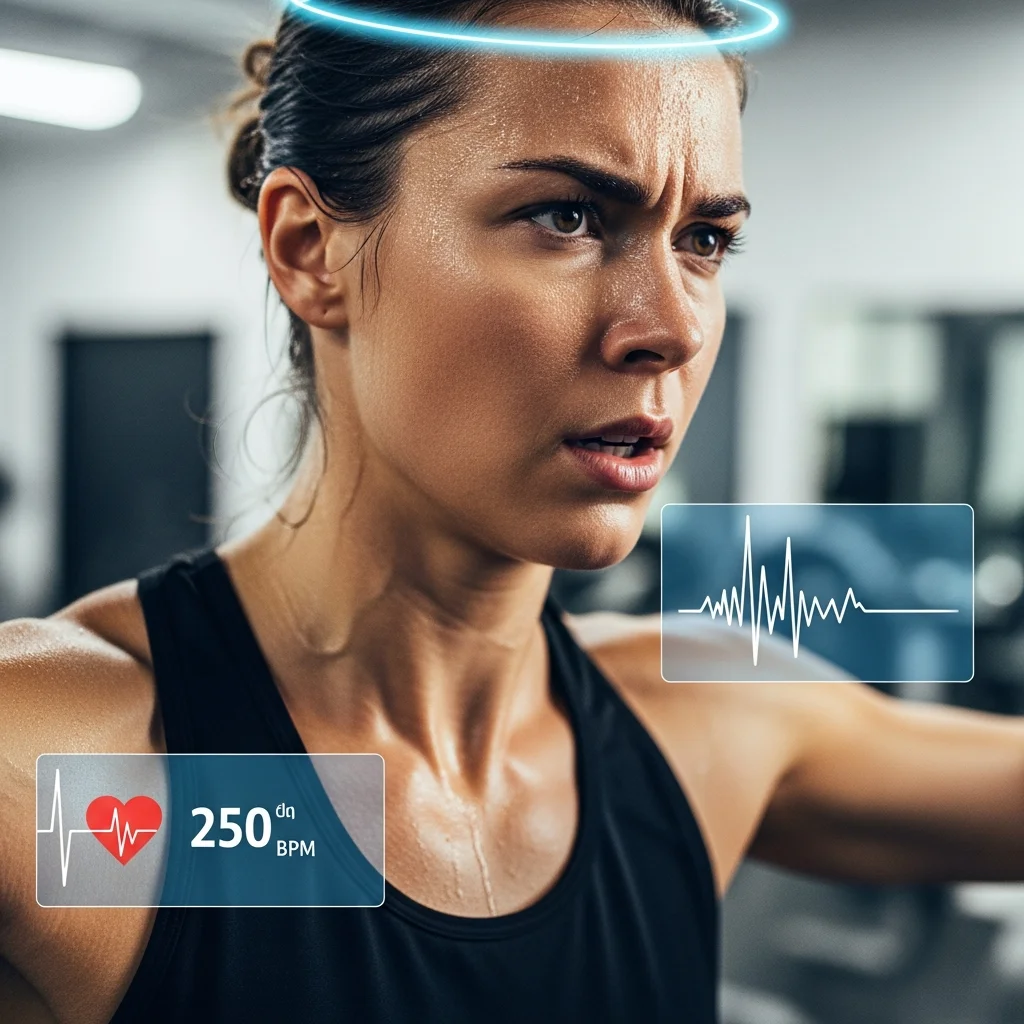
The Rate of Perceived Exertion (RPE) Scale measures how hard exercise feels to you at a specific moment. It blends physical signals like heart rate, breathing depth, sweating, and muscle fatigue with mental signals such as focus and stress. This makes RPE Set Calculator different from pace or watts, which only measure output. Two people can run the same speed, yet experience very different exertion levels.
Perceived effort often matters more than numbers because your body changes daily. Sleep, heat, hydration, anxiety, and recovery all affect performance. The RPE Scale reflects this instantly. When stress rises or fatigue sets in, RPE climbs even if speed stays the same. This real-time feedback captures physical and mental load together, something devices struggle to measure accurately.
How the RPE Scale Was Developed and Why It Still Works Today
The Rate of Perceived Exertion (RPE) Scale was developed in the 1960s by Swedish researcher Gunnar Borg. His goal was simple. He wanted a reliable way to estimate exercise intensity without equipment. His research showed a strong link between perceived effort and physiological stress, especially during cardiovascular exercise.
The RPE Scale survived decades of new fitness technology because perception never becomes obsolete. Wearables can fail when batteries die, signals drop, or conditions change. Subjective exertion remains available at all times. Science later confirmed that perceived exertion integrates signals from muscles, lungs, heart, and brain. This explains why RPE still guides elite athletes, clinicians, and coaches across the United States today.
The Two Main RPE Scales Explained (Without the Confusion)
The Borg RPE Scale (6–20)
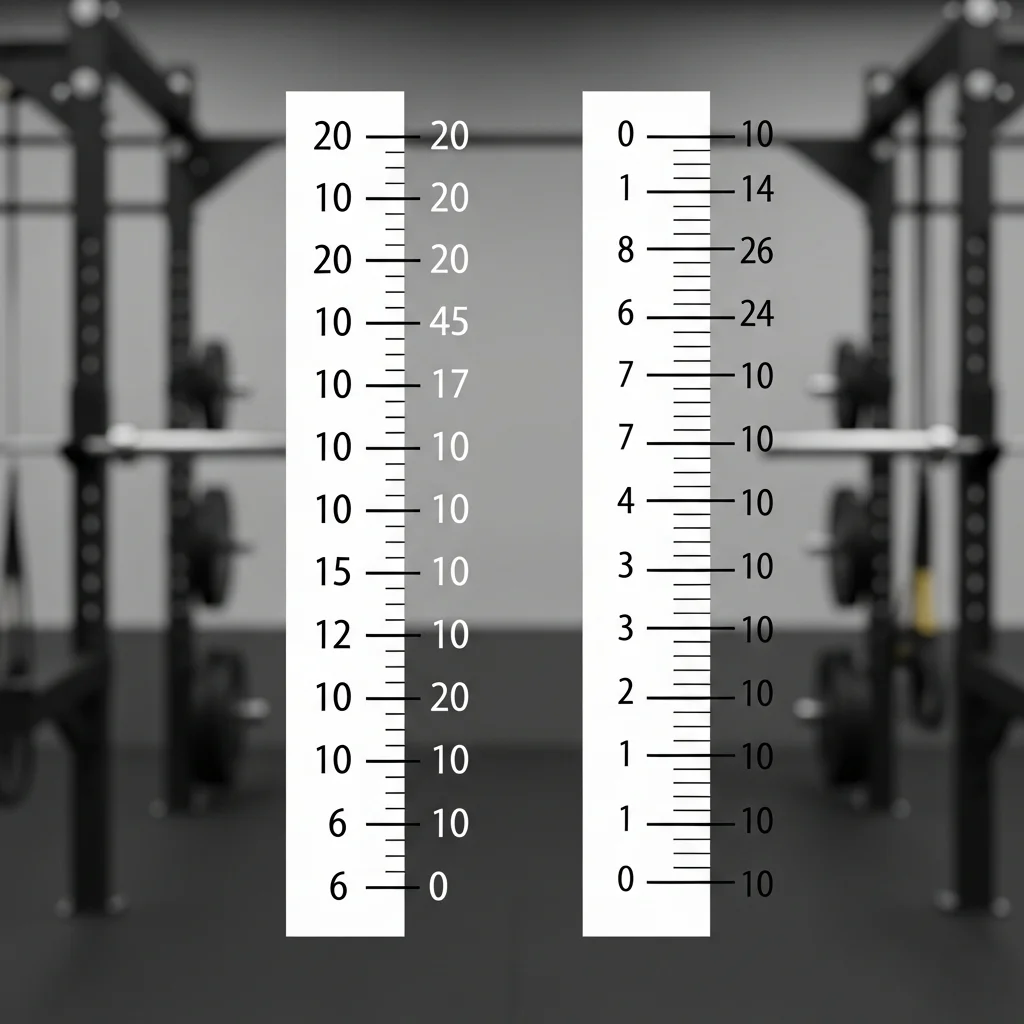
The Borg Rate of Perceived Exertion Scale ranges from 6 to 20. The starting point looks strange, yet it was designed to match heart rate values. A score of 6 roughly aligns with a resting pulse near 60 beats per minute. A score of 15 often matches around 150 beats per minute during steady exercise.
This scale works best in clinical testing and endurance training. It estimates effort without monitors and remains useful during treadmill stress tests. Limitations appear when medications like beta blockers alter heart rate. In those cases, perceived exertion still matters, but heart rate correlation weakens.
The Modified RPE Scale (0–10)
The modified Rate of Perceived Exertion (RPE) Scale uses a simple 0 to 10 range. Most people find it intuitive. Zero means rest. Ten means maximum effort. This version connects closely to reps in reserve (RIR) during strength training. An RPE of 8 often means two repetitions remain before failure.
This scale works better than heart rate during lifting, sprinting, or interval training. Heart rate lags behind effort during short bursts. RPE responds instantly. That makes the 0–10 RPE Scale ideal for modern gym training and home workouts across the USA.
How to Accurately Rate Your RPE During Exercise
Accurate use of the Rate of Perceived Exertion Scale requires attention to physical cues. Breathing rhythm matters more than speed. Muscle fatigue reveals intensity faster than soreness. Loss of coordination often signals rising exertion before exhaustion appears.
Mental cues are often ignored. Difficulty focusing, rising frustration, or loss of rhythm all raise RPE. Beginners commonly overestimate effort because sensations feel unfamiliar. Over time, calibration improves. Experience teaches what true maximum effort feels like, which sharpens accuracy across all training sessions.
RPE Compared to Other Intensity Tools
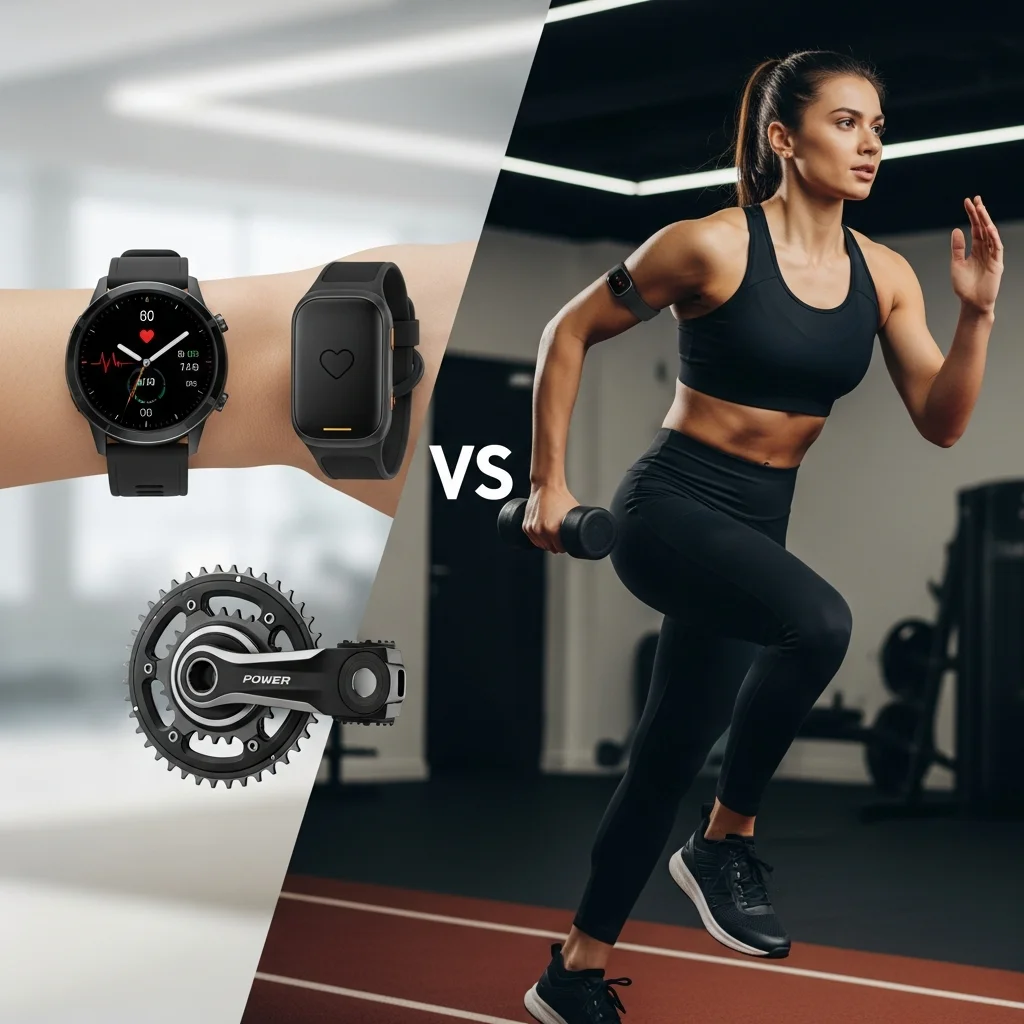
RPE vs Heart Rate
Heart rate can lie. Heat, dehydration, caffeine, anxiety, and illness all inflate readings. Medications may suppress them. The Rate of Perceived Exertion (RPE) Scale adjusts automatically because perception reflects internal strain, not just cardiac response.
RPE vs Power, Pace, and Wearables
Power meters and pace data show output, not cost. Two identical power files may feel wildly different on separate days. RPE Scale adds context to numbers. It explains why 200 watts feels easy one day and exhausting the next. Wearables improve insight, but RPE fills gaps they cannot detect.
RPE and the Talk Test
The talk test pairs naturally with RPE. Easy effort allows full sentences. Moderate effort limits speech to short phrases. High exertion restricts speech to single words. This simple method helps align perception with intensity during everyday training.
Using RPE for Different Training Styles
Endurance and Cardio Training
Endurance athletes use the Rate of Perceived Exertion (RPE) Scale to control aerobic base work. Easy miles often sit around RPE 3 or 4. Tempo training rises toward RPE 6 or 7. Lactate threshold work feels uncomfortable yet controlled.
Strength Training and Muscle Building
In resistance training, the RPE Scale guides load selection. Lifting at RPE 7 to 9 balances stimulus and recovery. This approach reduces injury risk while maintaining progress. It adapts daily without complex math or testing.
Powerlifting and High-Intensity Sports
Powerlifters manage fatigue using RPE. Heavy singles at RPE 9 or 10 appear sparingly. Most volume stays lower to protect recovery. High-intensity sports benefit from RPE by preventing burnout during dense training weeks.
RPE for Health, Recovery, and Special Populations

Beginners benefit from the Rate of Perceived Exertion Scale because it teaches body awareness. Returning athletes use it to avoid overreaching. In rehabilitation, RPE guides safe progression when pain or healing limits effort.
Older adults and people with chronic conditions rely on RPE when heart rate targets become unreliable. Perception adjusts naturally to daily capacity. This flexibility makes the RPE Scale valuable in community health programs across the USA.
How Coaches and Healthcare Providers Use RPE
Clinicians use the Rate of Perceived Exertion (RPE) Scale during stress testing to evaluate cardiovascular response. Cardiac and pulmonary rehabilitation programs rely on RPE to control effort safely. Providers trust RPE because patients can report it instantly without equipment.
Coaches also value RPE for communication. It translates complex sensations into shared language. This improves adherence, safety, and long-term outcomes in both athletic and medical settings.
How Accurate Is the RPE Scale Really?
Research shows strong correlations between RPE Scale scores and physiological markers such as VO2 max and blood lactate during steady exercise. Accuracy improves with experience. Beginners misjudge early, but calibration sharpens quickly.
RPE fails when people ignore honesty or chase ego. Extreme fatigue or unfamiliar movements can distort perception. Combining RPE with occasional objective checks solves this problem.
How to Track Progress Using RPE Over Time
Progress appears when the same workout feels easier. A run that once rated RPE 7 may later feel like RPE 5 at the same pace. This indicates improved efficiency without changing numbers.
RPE also spots fatigue early. Rising exertion at normal workloads signals need for rest. Adjusting training intelligently prevents plateaus and injuries while supporting steady gains.
Advantages and Limitations of Training by Feel
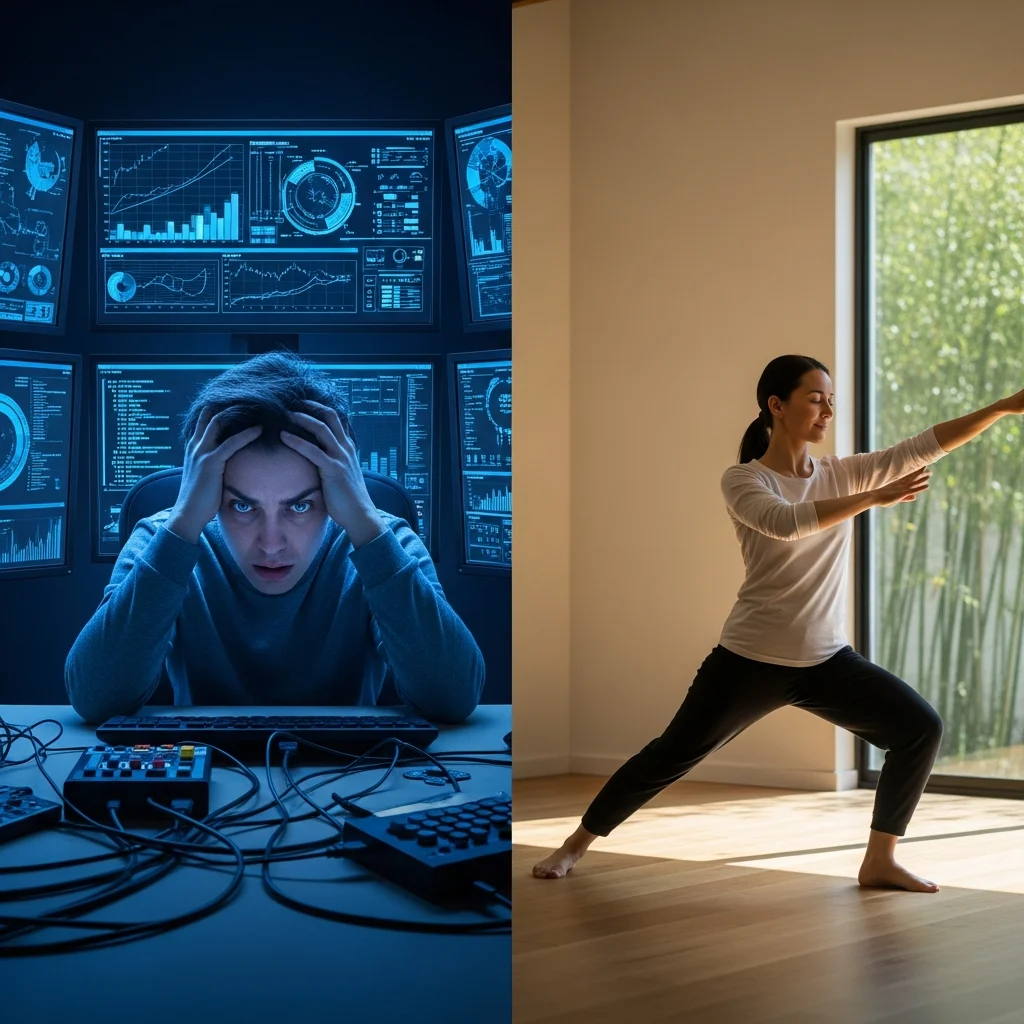
The Rate of Perceived Exertion (RPE) Scale adapts instantly to stress, sleep, and environment. It costs nothing and works everywhere. However, perception alone lacks precision for specific performance targets.
RPE works best when combined with data. Together, they balance objectivity and intuition. This blend produces smarter training decisions and sustainable progress.
Common Myths About the RPE Scale
Many believe the RPE Scale is guesswork. Research disproves this. Others think only beginners use it. Elite athletes rely on it daily. Some claim technology made RPE obsolete. In reality, technology increased its value by providing context.
Key Takeaways for Using RPE Effectively
Trust your body when conditions change. Trust data when precision matters. Combine both using the Rate of Perceived Exertion (RPE) Scale to guide daily decisions. This balance builds consistency, resilience, and long-term fitness success.
Sample RPE Reference Table
| RPE Level | Perceived Effort | Typical Feeling |
|---|---|---|
| 2–3 | Very easy | Full conversation |
| 4–5 | Moderate | Controlled breathing |
| 6–7 | Hard | Short phrases |
| 8–9 | Very hard | Single words |
| 10 | Max effort | All-out strain |
The Rate of Perceived Exertion (RPE) Scale remains one of the most reliable tools in fitness and health. Learn it well, and it will guide training for life.